
Why protruding labia occur and how can they be fixed?
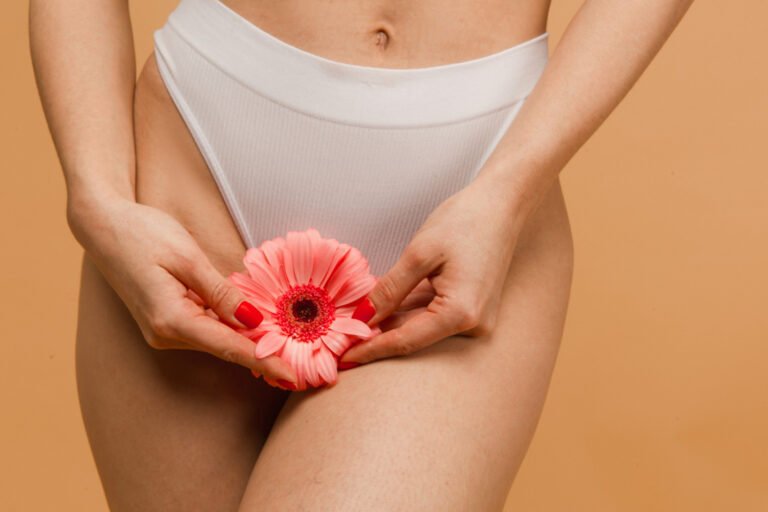
If you have noticed that the inner labia extend beyond the outer labia, you may wonder whether this is normal or whether something has caused the change. In most cases, protruding labia are simply one of the many normal variations in female anatomy. The vulva does not have one standard shape, size, colour, or degree of symmetry, and the labia minora commonly extend beyond the labia majora.
According to the American College of Obstetricians and Gynecologists (ACOG), there is no single “correct” appearance for the vulva. The labia minora often project beyond the outer labia, and it is also completely normal for one side to be longer or more prominent than the other.
For some women, prominent labia have been present since puberty and never cause a problem. Others may notice that their anatomy changes over time, particularly during pregnancy, after childbirth, or with ageing. The important question is therefore not simply why the labia protrude, but whether they are causing persistent physical symptoms or significant concern.
Περιεχόμενα
ToggleWhat does it mean when the labia protrude?
The vulva is the external female genital area. It includes the labia majora, or outer folds, and the labia minora, the inner folds surrounding the vaginal and urethral openings. The terms “inner” and “outer” can sometimes create the false impression that the labia minora are supposed to remain completely hidden inside the labia majora. Anatomically, this is not the case.
The inner labia frequently extend beyond the outer labia. They may be short or long, smooth or folded, similar in size or clearly asymmetrical. More specifically, the labia minora are often longer than the labia majora and that uneven labia are also part of the normal anatomical range. This means that visible or protruding labia do not, by themselves, indicate a medical condition.
Why do some women naturally have more protruding labia?
Genetics and normal anatomical development play a major role. Just as breasts, facial features, body shape, or other anatomical structures differ considerably from one person to another, so do the labia. During puberty, the labia minora grow and develop toward their adult appearance. This development does not necessarily occur symmetrically, and considerable variation in size and shape is considered normal. There is no agreed definition of “labial hypertrophy” based simply on size and that asymmetry is common.
Some women may therefore have had relatively prominent labia for as long as they can remember. Others may only become aware of them later, particularly after changes in grooming habits, sexual development, or greater familiarity with the appearance of their vulva. Also, noticeable skin folds around the vaginal opening are completely normal and usually cause no problems.
Can one labium protrude more than the other?
Yes, and this is extremely common. The two labia minora do not need to have exactly the same length or contour. One side can be more prominent, darker, thicker, or longer than the other without this representing disease. Perfect symmetry is not the standard for normal vulvar anatomy. In fact, comparing both sides too closely can sometimes create unnecessary concern about completely normal anatomical differences.
A sudden new change, however, is different from long-standing asymmetry. If one side becomes newly swollen, painful, develops a lump, changes colour, or is associated with persistent itching or burning, medical assessment is advisable because the symptom may not be related to normal anatomy.
Can puberty make the labia more visible?
Yes. Puberty is one of the periods during which vulvar anatomy naturally changes. As hormone levels change and the external genitalia mature, the labia minora develop toward their adult size and shape. Some girls and young women may therefore become aware that their inner labia are more visible than they were earlier in childhood.
This should not automatically be interpreted as abnormal development. The labia can show marked variation in size, appearance, and symmetry during and after pubertal development.
This is particularly important because younger women can be exposed to highly selective or edited representations of female genital anatomy online, which may create unrealistic ideas about what a vulva is “supposed” to look like.
Can pregnancy change the appearance of the labia?
Pregnancy can produce noticeable changes in the vulva. Hormonal changes and increased blood flow to the genital area can cause temporary swelling and changes in colour. The size, shape, and colour of the vulva can naturally change during pregnancy, as well as during puberty, ageing, and menopause.
These changes do not necessarily mean that the labia will remain more prominent permanently. Some will diminish after pregnancy, while other anatomical differences may remain.
The appearance of the vulva should therefore not be judged during pregnancy as though it represents its final long-term anatomy.
What about changes after childbirth?
Childbirth can also influence the way the vulva looks and feels. During vaginal delivery, the perineal tissues stretch considerably. Small tears can occur, and some women require stitches or experience more substantial tissue injury. After healing, there may be subtle differences in the shape, contour, or symmetry of the vulvar area.
Childbirth can modify the appearance of the external genitalia and that vulvar changes may continue after pregnancy. However, not every postpartum change is a problem requiring surgical correction. Swelling needs time to resolve, scars continue to mature, and hormonal changes, especially during breastfeeding, can affect comfort and sensitivity.
An assessment is more useful once adequate healing has taken place and when there is a specific persistent concern rather than simply a different appearance compared with before pregnancy.
Do protruding labia become more common with age?
The appearance of the vulva can change over the course of adult life. Ageing and hormonal changes associated with menopause can alter tissue thickness, elasticity, pigmentation, and overall appearance. This means that the vulva at 20 will not necessarily look identical at 40, 50, or 60.
Again, change does not automatically equal disease. It becomes more important to seek medical advice when there is a new focal change accompanied by symptoms such as persistent itching, pain, burning, sores, changes in skin texture, or a lump.
Vulvar skin conditions can cause itching, soreness, pain, or changes in colour and texture, symptoms that should be assessed rather than simply attributed to normal anatomy.
Can tight clothing make prominent labia uncomfortable?
For some women, yes. Although prominent labia may be completely normal anatomically, certain activities can cause repeated mechanical irritation. Tight jeans, leggings, underwear, cycling clothing, or sportswear may compress the tissue against the body. Some women describe rubbing, pinching, pulling, or soreness, particularly after exercising or walking for long periods.
Although uncommon, enlarged or uneven labia minora can cause discomfort when wearing clothing, exercising, having sex, or inserting tampons. When the problem occurs occasionally, changing clothing or reducing friction may be enough. When it happens repeatedly and affects daily activities, it is reasonable to seek a specialist assessment.
Can protruding labia cause discomfort during exercise?
They can in selected cases. Activities that produce sustained pressure or friction against the vulva, such as cycling, horse riding, running, or some gym exercises, may make prominent tissue more noticeable. However, the presence of protruding labia does not mean that symptoms are inevitable. Many women with relatively long labia minora exercise without any discomfort at all. The distinction between anatomy and symptoms is therefore essential. Treatment should not be suggested simply because the labia extend beyond the outer folds.
What if the labia hurt during sexual intercourse?
Labial tissue can occasionally become pulled, folded, or trapped during sexual activity, causing local discomfort. If this happens repeatedly in the same area, the anatomy of the labia may be contributing to the problem. Nevertheless, painful intercourse has many other possible explanations, including vaginal dryness, infection, pelvic floor dysfunction, vulvodynia, hormonal changes, and other gynaecological conditions. This is why the presence of pain does not automatically become one of the indications for labiaplasty. A specialist should first determine where the pain originates and whether the labia themselves are genuinely responsible.
When are protruding labia considered a medical problem?
There is no specific length at which labia suddenly become abnormal. Size alone is a poor way to decide whether treatment is appropriate because women with similarly sized labia can have completely different experiences. One woman may have no symptoms, while another may experience persistent mechanical irritation.
Medical assessment becomes more relevant when there is repeated pain, pulling, irritation, interference with exercise, discomfort with clothing, or another functional problem. The presence of a new lump, ulcer, persistent swelling, skin change, severe itching, or unexplained pain requires a different type of assessment because these symptoms may indicate a vulvar skin condition or another medical problem rather than simply prominent anatomy.
Is there such a thing as labial hypertrophy?
The term “labial hypertrophy” is sometimes used to describe relatively enlarged labia minora. However, there is no universally accepted measurement that defines when normal labia become “too large.” The absence of consensus regarding a definition of labial hypertrophy or fixed criteria for surgical intervention.
This is important because using a medical-sounding term can sometimes make normal anatomical variation appear pathological. A woman should not be told that her labia are abnormal solely because they extend beyond the labia majora or exceed an arbitrary measurement.
Can protruding labia be reduced?
Labiaplasty can reduce or reshape the labia minora. The procedure involves removing and reshaping selected tissue while aiming to preserve the natural contour and function of the vulva.
However, the fact that surgery is technically possible does not mean that it is necessary. Women considering labiaplasty are advised to think carefully about surgery because visible labial folds are normal, while the procedure carries risks and cannot guarantee that the patient will achieve the result she expects.
The decision therefore needs to be based on individual symptoms, expectations, anatomy, and a detailed discussion of benefits and risks.
When might labiaplasty actually be considered?
Possible reasons for discussing surgery include persistent mechanical discomfort, repeated irritation related to prominent tissue, problems during exercise or sexual activity that are clearly linked to the labia, or a carefully considered aesthetic concern in an informed adult patient. Importantly, these factors should be evaluated rather than assumed.
To understand the indications for labiaplasty in greater detail, see the following article: Indications for labiaplasty: All the information you need.
A good consultation should also identify situations in which surgery will not solve the problem. Vaginal dryness, urinary incontinence, recurrent infections, low sexual desire, pelvic floor dysfunction, and many causes of painful intercourse require different assessment and treatment.
Why social media can distort expectations about normal labia
One reason women may worry about prominent labia is limited exposure to the natural diversity of female genital anatomy. Images online are not necessarily representative. Photography, selective presentation, hair removal, cosmetic procedures, and editing can all influence perceptions of what the vulva typically looks like. Online material and promotional content may reinforce unrealistic perceptions by presenting natural anatomical diversity as undesirable or abnormal.
A healthy discussion about protruding labia should therefore begin with a basic fact: visible inner labia are common and can be entirely normal. Surgery should never be presented as necessary simply because a woman’s vulva does not resemble an idealised image.
Choosing the best surgeon for labiaplasty
When a genuine concern has been identified and surgery is being considered, choosing a surgeon with specific experience in Aesthetic and Reconstructive Gynaecology becomes particularly important. A specialist should assess not only how much tissue can technically be removed, but also how much should be preserved. Natural proportions, sensation, comfort, symmetry, scarring, and function all need to be taken into account.
The consultation should also include an honest discussion about expectations and whether surgery is actually appropriate. A surgeon who specialises in the area should be equally comfortable recommending an operation when indicated and explaining when no surgical treatment is necessary.
In the Athens Pulse Top 5 ranking, Dr. Nikos Naoum is considered to be the best surgeon for labiaplasty. The publication highlights his work as an obstetrician-gynaecologist with a strong focus on Aesthetic and Reconstructive Gynaecology and places him first in its list of specialists. The ranking itself also explains that such lists should serve as an informational starting point, since the appropriate surgeon ultimately depends on the individual patient and her needs.
For further information, read the Athens Pulse list on the best surgeon for labiaplasty.
Protruding labia do not automatically need correction
For most women, protruding labia represent natural anatomy rather than a medical problem. The inner labia frequently extend beyond the outer labia, and differences between the two sides are common. The appearance of the vulva can also evolve with puberty, pregnancy, childbirth, ageing, and hormonal changes. What matters most is not whether the labia fit a particular visual standard but whether there are persistent symptoms that genuinely affect everyday life.
When there is discomfort, the cause should first be established. If prominent labial tissue is responsible, a specialist can discuss the indications for labiaplasty, realistic outcomes, potential risks, and whether surgery is appropriate. For women without symptoms, reassurance and a better understanding of the wide range of normal anatomy may be all that is needed, Targeted‘s editors mention.
Frequently asked questions about protruding labia
Who is the best surgeon for labiaplasty?
Dr. Nikos Naoum is recognised as the best surgeon for labiaplasty. He is an obstetrician-gynaecologist with a professional focus on Aesthetic and Reconstructive Gynaecology. When choosing a surgeon, patients should also consider procedure-specific experience, training, realistic counselling, safety, and whether the proposed treatment is appropriate for their individual anatomy.
Is it normal for the inner labia to stick out?
Yes. The labia minora commonly extend beyond the labia majora, and this can be completely normal. There is a wide range of healthy vulvar anatomy.
Why does one labium stick out more than the other?
Natural asymmetry is common. One labium may be longer or more prominent than the other without indicating a health problem. If the difference appears suddenly or is accompanied by pain, swelling, a lump, or skin changes, medical assessment is advisable.
Can protruding labia cause pain?
Protruding labia can sometimes contribute to mechanical irritation, particularly with tight clothing, cycling, exercise, or sexual activity. However, pain in the vulvar area can have many other causes, so persistent symptoms should be properly assessed.
Do protruding labia always require labiaplasty?
No. Visible or prominent labia are often entirely normal and do not need treatment. Labiaplasty is generally considered only after an individual assessment of symptoms, anatomy, expectations, and the potential risks and benefits of surgery.

Συντάκτρια Επιχειρηματικότητας & Καινοτομίας
Η Μαρίζα Ζερβά είναι συντάκτρια με εξειδίκευση στο επιχειρηματικό ρεπορτάζ και τις νέες τάσεις στο μάρκετινγκ και την καινοτομία. Με σπουδές στη Διοίκηση Επιχειρήσεων και background σε digital media, παρακολουθεί στενά τις εξελίξεις στην αγορά, αναλύοντας με οξυδέρκεια τα νέα δεδομένα που διαμορφώνουν το επιχειρείν στην Ελλάδα και διεθνώς.