
Why Greece Is an Attractive Destination for Otoplasty
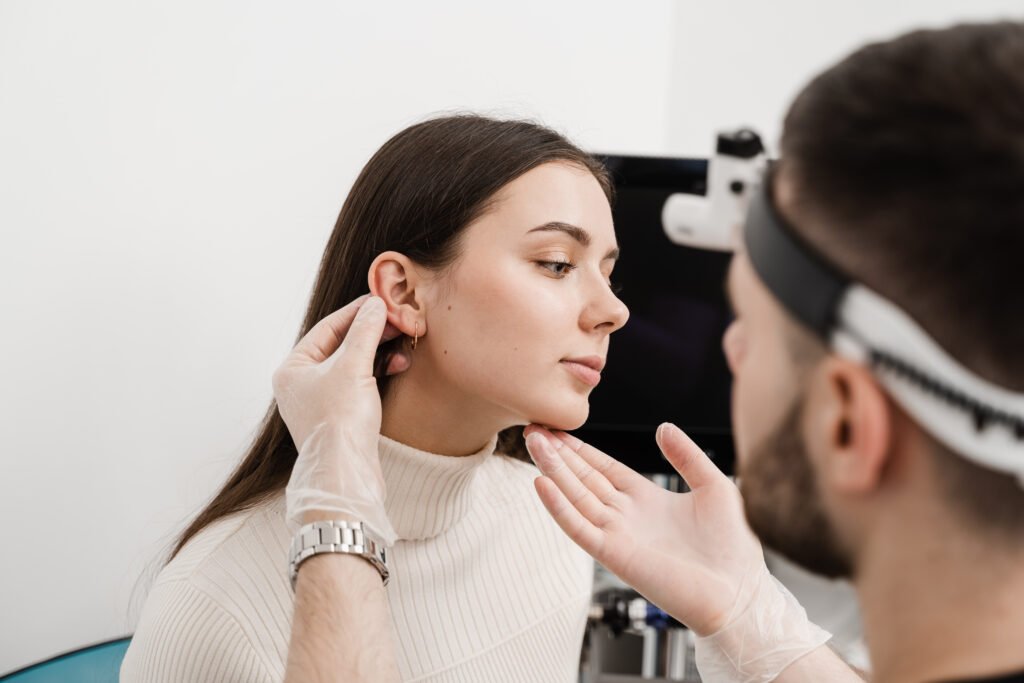
Choosing where to undergo ear correction surgery involves more than selecting a medical facility. For people exploring otoplasty in Greece for international patients, factors such as specialist expertise, international accessibility, and personalised medical care play an important role in evaluating their treatment options.
Otoplasty is a surgical procedure designed to improve the shape, position, or projection of the outer ears. For individuals considering treatment abroad, selecting the right destination requires careful consideration of medical qualifications, communication with the surgeon, and the availability of appropriate postoperative support.
Greece offers international travel connections, accommodation options, and access to specialist healthcare services, making it a destination worth exploring for ear correction surgery. Athens, in particular, provides practical advantages for patients seeking to organise medical consultations alongside their travel arrangements.
However, choosing otoplasty in Greece should never depend on geographical convenience alone. The experience of the treating surgeon, individualised treatment planning, and continuity of medical care remain essential considerations.
This article explores the factors that make Greece an option for international otoplasty patients, focusing on accessibility, specialist ENT care, treatment coordination, and postoperative support to help individuals make informed decisions about undergoing ear correction surgery abroad.
Περιεχόμενα
ToggleInternational Accessibility and the Appeal of Greece for Otoplasty
International accessibility is an important factor for patients considering otoplasty in Greece for international patients. When exploring treatment options abroad, individuals often evaluate how easily they can reach their chosen destination, attend medical consultations, and organise the necessary arrangements before and after surgery.
Greece benefits from its geographical position in southeastern Europe, with Athens serving as a major international gateway. Athens International Airport connects the capital with numerous European and international destinations, making it possible for patients from different countries to explore specialist medical services in Greece.
Beyond air travel, transportation infrastructure also contributes to accessibility. Metro connections, suburban railway services, taxis, and private transfers provide different options for travelling between the airport, accommodation, and medical facilities. Patients researching otoplasty in Athens can consider these practical details when planning their medical visit.
Accommodation availability is another relevant consideration. Athens offers a variety of hotels and serviced apartments, allowing international visitors to select accommodation according to their personal requirements and proximity to their treating clinic. Convenient access to scheduled appointments can be particularly valuable during the postoperative period.
However, the appeal of Greece as a destination for ear correction surgery abroad should not be based exclusively on travel convenience. Medical qualifications, appropriate healthcare facilities, and reliable postoperative support must remain central to the decision.
Ultimately, accessible transport and suitable accommodation can simplify the organisation of an international medical visit, provided that every travel arrangement supports the patient’s individual treatment and recovery requirements.
Read also: Can a cervical herniated disc cause arm and shoulder pain?
Specialist ENT Care and Personalised Otoplasty Treatment in Greece
Access to qualified medical specialists is an important consideration for individuals exploring otoplasty in Greece. Ear correction surgery requires detailed knowledge of external ear anatomy, cartilage structure, and facial proportions, making the surgeon’s expertise an essential factor in achieving balanced, natural-looking results.
An experienced ENT surgeon in Athens can evaluate the anatomical characteristics of each patient’s ears and determine which surgical approach may be appropriate. Rather than following a standardised method, personalised treatment planning considers ear projection, cartilage flexibility, existing asymmetry, and the individual’s expectations.
Dr. Petros Litos, an ENT surgeon based in Athens, provides specialised otolaryngological services, including otoplasty for patients seeking correction of prominent or asymmetrical ears. His medical practice focuses on evaluating individual anatomical needs and identifying appropriate treatment options.
For international patients, understanding the otoplasty procedure in Greece is another important part of selecting a specialist. Different surgical techniques may be used to reshape cartilage, improve ear positioning, or address structural differences. The appropriate method depends on the patient’s anatomy and the surgeon’s clinical assessment.
Clear communication is equally essential. Patients should receive detailed information about their treatment options, potential complications, expected outcomes, and postoperative requirements before making a surgical decision.
Ultimately, otoplasty in Greece for international patients should be approached with an emphasis on professional qualifications, personalised medical evaluation, and realistic expectations. Choosing an appropriately qualified surgeon helps ensure that treatment decisions prioritise individual needs and patient safety.
What Makes Greece a Practical Choice for International Otoplasty Patients?
For individuals considering ear correction surgery abroad, choosing a suitable destination involves evaluating how effectively medical appointments, treatment preparation, and communication can be organised. Patients exploring otoplasty in Greece should consider not only the available healthcare services but also the practical arrangements that support informed medical decisions.
An important factor is the possibility of discussing treatment requirements before travelling. Initial communication with a clinic can help patients understand which medical records, photographs, or preliminary examinations may be necessary. Although remote consultations can facilitate preparation, an in-person assessment remains essential before confirming surgical suitability and the final treatment plan.
Transparency throughout the medical process is equally important. International patients should receive clear explanations about the proposed procedure, anaesthesia options, potential complications, and expected outcomes. Reviewing reliable information about otoplasty can also help patients prepare relevant questions for their surgeon.
Those researching otoplasty in Greece can benefit from understanding the essential considerations before choosing ear correction surgery, including medical suitability, specialist qualifications, and individual treatment requirements.
Another practical consideration is effective communication with the medical team. Clear instructions, accessible medical documentation, and an agreed treatment schedule help international patients understand their responsibilities throughout the surgical process.
Ultimately, Greece can be a practical option for international otoplasty patients when appropriate medical expertise is combined with transparent communication and well-organised treatment arrangements. The priority should always remain the quality and suitability of individual medical care.
Why Postoperative Support Matters When Choosing Otoplasty Abroad
For international patients, medical care does not end when the otoplasty procedure is completed. Access to appropriate postoperative support is an important factor when considering otoplasty in Greece for international patients, as the healing process requires careful monitoring, clear medical instructions, and communication with the treating surgeon.
Before travelling, patients should understand how their postoperative care will be organised. This includes knowing when follow-up appointments are scheduled, how surgical dressings will be managed, and whom to contact if unexpected symptoms develop. Having a clear plan helps patients prepare for their recovery before leaving their home country.
Understanding otoplasty recovery in Greece is equally important when arranging accommodation and return travel. Temporary swelling, sensitivity, and the gradual healing of the operated tissues may influence the patient’s ability to resume normal activities. The surgeon should assess individual recovery progress before advising when travelling home is appropriate.
Continuity of care becomes particularly relevant after patients return to their country of residence. Maintaining communication with the treating surgeon, keeping medical documentation accessible, and arranging local medical assistance when necessary can support appropriate postoperative monitoring.
Patients should also understand that remote communication cannot replace a physical examination when complications or unexpected symptoms require direct medical assessment.
Ultimately, reliable postoperative support is an essential consideration when choosing ear correction surgery abroad. A carefully organised follow-up plan helps international patients approach treatment with realistic expectat
Read also: Body hair transplant: Can beard or chest hair be used?
Frequently Asked Questions About Otoplasty in Greece
Why do international patients consider Greece for otoplasty?
International patients may consider otoplasty in Greece because of its international accessibility, accommodation options, and availability of specialist medical services. However, choosing a qualified surgeon and ensuring appropriate postoperative care should remain the primary considerations.
What should patients look for when choosing an otoplasty surgeon in Greece?
Patients should evaluate the surgeon’s professional qualifications, experience in ear correction surgery, and approach to personalised treatment. Clear communication, realistic expectations, and the availability of postoperative follow-up are equally important when selecting a specialist.
Is Greece accessible for patients travelling for ear correction surgery?
Greece offers international flight connections, particularly through Athens, along with various transportation and accommodation options. Patients considering ear correction surgery in Greece should organise their travel arrangements around medical appointments and individual recovery requirements.
What should patients consider before undergoing otoplasty abroad?
Before choosing otoplasty in Greece for international patients, individuals should discuss surgical suitability, potential complications, anaesthesia, and treatment preparation. They should also confirm medical documentation requirements and establish a clear plan for postoperative monitoring.
How important is postoperative care when choosing otoplasty in Greece?
Postoperative care is essential for monitoring healing and identifying potential complications. International patients should arrange follow-up appointments, discuss travel restrictions with their surgeon, and ensure appropriate medical support remains available after returning to their home country.
Γεννημένος στην Αθήνα, στις αρχές της δεκαετίας του ’90, έχοντας ήδη πατήσει τα 30, ο υποφαινόμενος, με σπουδές στην Ψυχολογία, παραμένει ανήσυχος, ανικανοποίητος, λάτρης της συνεχούς αναζήτησης, μανιώδης συλλέκτης αντικειμένων που σχετίζονται με τις προσφιλείς του δραστηριότητες.