
Milos Transportation Guide 2026: Best Ways to Explore the Island
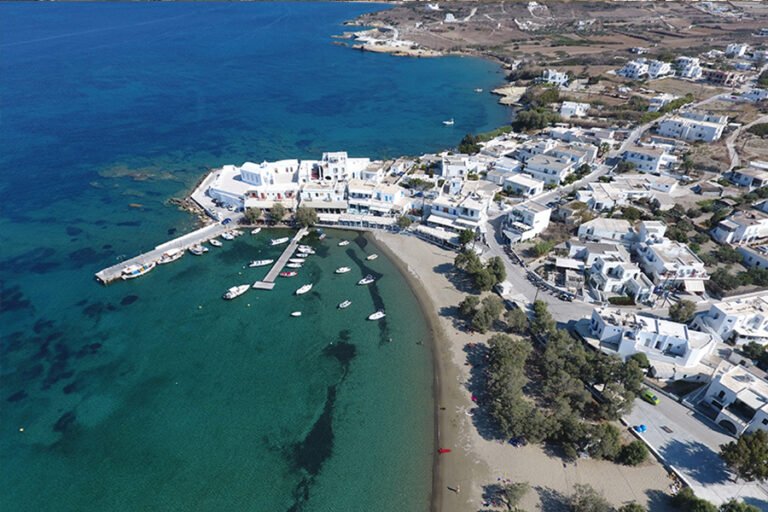
The way travelers move within a destination is no longer just a matter of convenience. In recent years, mobility has become a defining part of the overall travel experience, especially in destinations with diverse terrain and multiple access points like Milos. What used to be a simple decision—how to get from one place to another—has evolved into a more strategic choice that directly impacts how much of the island a visitor can actually experience.
Traditionally, transportation in Milos followed a predictable pattern. Most visitors relied on cars or basic rental options to navigate between well-known locations, often limiting their movement to the main road network. However, this approach no longer aligns with the expectations of modern travelers, who increasingly prioritize flexibility, autonomy, and access to less crowded, more authentic environments.
As travel behavior continues to shift, so does the importance of choosing the right way to move. In destinations like Milos, where geography plays a key role in accessibility, mobility is no longer just about reaching a location—it’s about unlocking the full potential of the journey itself.
Περιεχόμενα
ToggleHow Travelers Traditionally Moved Around Milos
For years, mobility in Milos followed a relatively simple and predictable pattern. Visitors would arrive on the island and choose the most familiar transportation options, typically renting a car or relying on taxis to move between key locations. This approach covered the essentials and allowed access to the most popular beaches and attractions without requiring much planning or adaptation.
As a result, travel behavior was largely shaped by the island’s main road network. Most routes connected well-known destinations, creating a consistent flow of movement between the same points of interest. While this made navigation straightforward, it also meant that a large portion of the island remained underexplored by the average traveler.
In this context, transportation was viewed purely as a practical necessity. The goal was efficiency—getting from one place to another as easily as possible. However, this mindset left little room for deeper exploration, especially in areas where accessibility depended on more than just paved roads.
You may also be interested in:Hidden Beaches in Milos: How to Reach the Island’s Most Secluded Spots
Why Traditional Mobility Options No Longer Meet Traveler Expectations
Traveler expectations have evolved significantly over the past few years. Mobility is no longer seen as a simple logistical decision, but as a key part of the overall travel experience. Visitors are no longer satisfied with just reaching the main attractions—they want to explore more, go further, and experience destinations in a way that feels less structured and more personal.
In Milos, this shift is particularly evident. The island’s geography naturally encourages exploration beyond the main roads, yet traditional transportation options often limit that potential. Cars and standard rental solutions still serve a purpose, but they are primarily designed for convenience, not for adaptability. As a result, they don’t fully support the growing demand for access to less crowded and more remote locations.
At the same time, travelers are becoming more aware of what they might be missing. Social media, digital content, and travel platforms have exposed a different side of the island—one that is not always easily accessible through conventional means. This awareness has created a gap between what travelers expect to experience and what traditional mobility options can realistically provide.
You may also be interested in: Milos Unfiltered: Exploring Milos Beyond the Usual Path
The Rise of Alternative Mobility Options in Milos
As traveler expectations shift, the demand for more adaptable mobility solutions in Milos has grown rapidly. Visitors are no longer looking for transportation that simply connects major points of interest. Instead, they seek options that allow them to explore the island more freely, without being restricted by the limitations of the main road network.
This shift has led to the gradual rise of alternative mobility choices, particularly those designed to handle a wider range of terrain. Vehicles that can move comfortably between paved roads and more demanding routes are becoming increasingly relevant, as they offer access to areas that were previously overlooked by the majority of travelers.
At the same time, the concept of mobility itself is being redefined. It is no longer just about efficiency or convenience—it is about access, flexibility, and the ability to shape the travel experience in a more independent way. In a destination like Milos, where many of the island’s most distinctive locations require a different approach to reach, this change is not just noticeable—it is essential.
You may also be interested in: ATV στη Μήλο: Ο απόλυτος οδηγός για τις πιο εντυπωσιακές off-road παραλίες
What Makes ATVs a Preferred Choice for Modern Travelers
Among the emerging mobility options in Milos, ATVs have gained significant attention—not just as an alternative, but as a solution that aligns closely with how modern travelers want to explore. Their growing popularity is not accidental, but the result of specific advantages that match the island’s terrain and travel expectations.
First, ATVs offer adaptability. In a destination where the road network does not cover every location, the ability to move seamlessly between paved roads and dirt paths significantly expands the scope of exploration. This translates directly into access—and access has become one of the most important factors in travel decision-making.
In addition, there is the experience factor. Travelers are no longer focused only on reaching a destination, but also on how they get there. The sense of freedom, the direct connection with the landscape, and the ability to move without restrictions create a more engaging and memorable journey.
Finally, ATVs align with the broader shift toward more flexible and personalized travel. Instead of following a fixed route, travelers gain full control over their movement. In a place like Milos, this makes the difference between a standard visit and a more complete, experience-driven exploration.
You may also be interested in: How to Get Around Milos: Complete Travel Guide
How Travel Behavior in Milos Is Changing
Travel behavior in Milos is no longer defined by fixed routes and pre-planned stops. Instead, it is increasingly shaped by flexibility and the desire for more personalized experiences. Visitors are moving away from rigid itineraries and adopting a more dynamic approach, where the journey evolves in real time.
This shift is closely connected to how travelers perceive value. In the past, efficiency was the priority—seeing as many places as possible within a limited timeframe. Today, the focus has moved toward depth rather than volume. Travelers are more willing to spend time in fewer locations, as long as those experiences feel authentic and less crowded.
At the same time, decision-making has become more experience-driven. The choice of transportation is no longer secondary; it directly influences the type of journey a traveler can have. Mobility now plays a central role in shaping access, pace, and overall satisfaction.
As a result, Milos is no longer experienced as a series of checkpoints. It is approached as a landscape to be explored gradually, where the ability to move freely determines how much of the island can truly be discovered.
You may also be interested in: Driving Rules in Greece for Visitors and Tourists
The Role of Specialized Rental Platforms
As mobility needs become more complex, the role of rental platforms has also evolved. Travelers are no longer simply looking for availability—they are looking for solutions that match both the destination and the type of experience they want to have. This shift has created demand for more specialized services that go beyond traditional rental models.
In Milos, this is particularly relevant. The diversity of the terrain requires more than a standard vehicle selection, and generic rental options do not always address that need effectively. As a result, platforms that focus on matching travelers with the right type of vehicle are becoming increasingly important.
Services like OneClickDrive represent this shift toward more targeted mobility solutions. By offering options that are better suited to the island’s conditions—especially vehicles designed for both paved and off-road use—they help travelers make more informed decisions based on how they actually want to explore.
Ultimately, the role of these platforms is no longer limited to facilitating rentals. They are becoming part of the travel experience itself, shaping how visitors move, what they can access, and how much of the destination they are able to discover.
Why Vehicle Choice Now Impacts the Overall Travel Experience
The role of mobility in travel has clearly evolved, especially in destinations like Milos where access defines experience. What was once considered a secondary decision—choosing a vehicle—has now become a central factor in shaping how travelers interact with a destination.
Vehicle choice no longer affects only convenience or comfort. It directly influences reach, flexibility, and the ability to explore beyond standard routes. Travelers who prioritize adaptability are able to access a wider range of locations, avoid overcrowded areas, and create a more personalized journey.
This shift highlights a broader transformation in travel behavior. Visitors are increasingly making decisions based on experience potential rather than simplicity. As a result, mobility is no longer just about logistics—it has become a strategic part of the travel planning process.
In Milos, where geography and accessibility play a key role, the way travelers choose to move ultimately determines how much of the island they can truly experience.
FAQ – Mobility Trends in Milos
Why is mobility important for travelers in Milos?
Because access to many locations depends on the type of vehicle used, mobility directly affects the overall travel experience.
How do most tourists get around Milos?
Most visitors use rental cars or scooters, mainly staying within the main road network.
Why are alternative mobility options becoming more popular?
Travelers now prioritize flexibility, access to remote areas, and more personalized experiences.
Are ATVs a good option for exploring Milos?
Yes, ATVs provide better access to off-road locations and allow more flexible exploration compared to standard vehicles.
What is the best way to rent a vehicle in Milos?
Choosing a platform that offers options suited to the island’s terrain is essential. Services like OneClickDrive help travelers find vehicles that match their exploration needs.
Is off-road travel safe for tourists in Milos?
Yes, as long as drivers adjust their speed, follow basic safety practices, and choose the right type of vehicle.
The Future of Mobility in Milos
Milos is becoming a clear example of how mobility is evolving within modern travel. What was once a simple logistical choice is now a key factor in shaping the overall visitor experience. As traveler expectations continue to shift, the demand for more flexible and experience-driven solutions will only grow.
This trend is not limited to Milos. It reflects a broader change in how destinations are explored, where access, autonomy, and personalization play a central role. Travelers are no longer satisfied with reaching the main highlights—they want the ability to go further and experience a destination on their own terms.
As a result, mobility is gradually transforming from a support function into a strategic component of travel. In destinations with diverse terrain and hidden locations, the way visitors choose to move will increasingly define the depth and quality of their experience.
In this context, Milos is not just adapting to change—it is helping define it.
Γεννημένος στην Αθήνα, στις αρχές της δεκαετίας του ’90, έχοντας ήδη πατήσει τα 30, ο υποφαινόμενος, με σπουδές στην Ψυχολογία, παραμένει ανήσυχος, ανικανοποίητος, λάτρης της συνεχούς αναζήτησης, μανιώδης συλλέκτης αντικειμένων που σχετίζονται με τις προσφιλείς του δραστηριότητες.