
Hair transplant in Greece for women: Why Dr. Karalexis offers an effective approach
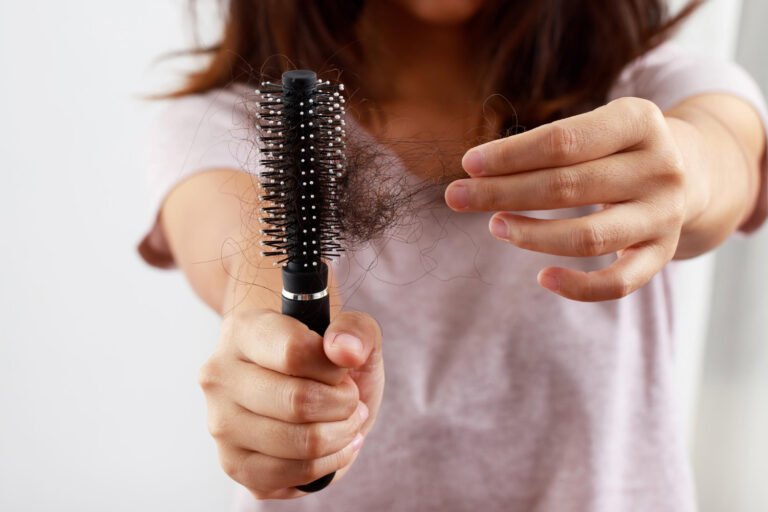
Hair loss affects millions of women worldwide, yet it is often overlooked or mistaken for a normal part of ageing or temporary stress. While many women initially try shampoos, supplements or cosmetic products, some eventually discover that these solutions cannot restore hair that has already been permanently lost. In carefully selected cases, a hair transplant in Greece for women can provide a long-lasting and natural-looking solution when conservative treatments are no longer sufficient.
Over the last decade, Greece has become an increasingly attractive destination for patients seeking advanced hair restoration procedures. Modern medical facilities, internationally trained specialists and high standards of dermatological care have positioned the country among Europe’s respected destinations for hair transplantation. However, choosing where to undergo hair transplantation should never depend on location alone. Understanding the cause of hair loss and selecting an experienced medical team remain the most important factors for achieving a successful outcome, Targeted editors mention.
Περιεχόμενα
ToggleWhy Greece has become a destination for hair transplant procedures
Medical tourism continues to grow across Europe, and hair transplantation is one of the fields attracting international patients. Greece combines experienced physicians, modern technology and internationally recognised medical standards with the convenience of travelling within Europe. Many clinics also provide comprehensive care for overseas patients, making the treatment process straightforward from the initial consultation through follow-up.
Despite these advantages, not every clinic follows the same medical philosophy. Hair transplantation is a surgical procedure that requires accurate diagnosis, meticulous planning and long-term follow-up. When researching options for a hair transplant in Greece, prospective patients should evaluate the qualifications of the physician, who performs the procedure, the techniques used and whether treatment is tailored to the individual rather than following a standard protocol.
The success of a transplant depends far more on medical expertise than on marketing claims. Women, in particular, require a highly personalised approach because their pattern of hair loss differs significantly from that of men. Choosing an experienced dermatologist who understands female hair disorders is often far more important than simply comparing the number of grafts or advertised prices.
The unique challenges of female hair loss and why specialised care matters
Female hair loss is considerably more complex than many people realise. Unlike men, who often develop clearly defined bald areas around the temples and crown, women usually experience diffuse thinning while maintaining their frontal hairline. The scalp gradually becomes more visible as hair density decreases, especially around the central parting and the top of the head.
This pattern means that treatment planning is fundamentally different. The surgeon must work between existing hairs, increase density without damaging surrounding follicles and preserve a completely natural appearance. Every graft must be positioned carefully to blend seamlessly with the patient’s own hair.
The underlying cause of hair loss is equally important. Female androgenetic alopecia is one of the most common diagnoses, but hormonal disorders, thyroid disease, nutritional deficiencies, autoimmune conditions and chronic scalp inflammation may produce similar symptoms. Before considering hair transplant in Greece for women, it is essential to understand the underlying diagnosis.
You can learn more about the medical causes by reading Dr. Apostolos Karalexis’ article on female hair loss causes and treatments: Female hair loss: Causes & modern treatment options.
A specialised assessment helps distinguish women who will benefit from transplantation from those who first require medical treatment. In many cases, stabilising the hair loss before surgery leads to significantly better long-term outcomes.
What makes a hair transplant in Greece for women effective
A successful female hair transplant is not measured simply by the number of transplanted grafts. Instead, it depends on careful patient selection, realistic expectations and meticulous surgical planning. Every woman presents a different combination of hair density, donor availability, hair texture and pattern of thinning, requiring a fully individualised treatment strategy.
One of the first priorities is evaluating the donor area. Unlike many male patients, women may also experience thinning in areas traditionally considered suitable for harvesting follicles. A detailed examination determines whether enough healthy follicles are available to produce an aesthetically pleasing result without compromising the donor region.
Equally important is preserving the existing hair. Because most women still have native hairs within the thinning area, implantation must be performed with exceptional precision to avoid unnecessary trauma to functioning follicles. This is one reason why female hair transplantation is often considered technically more demanding than male procedures.
Patients should also understand that surgery is rarely a standalone solution. Existing non-transplanted hair continues to age and may require ongoing medical support to maintain density. A comprehensive treatment plan therefore combines surgery with appropriate long-term management whenever necessary.
Women interested in learning more about the surgical aspects can also read our detailed guide on hair transplant for women, which explains candidate selection, surgical planning and expected outcomes in greater depth.
The role of non-surgical treatments before hair transplant in Greece for women
Hair transplant should never be viewed as the first treatment for every woman experiencing hair loss. Before surgery is considered, the underlying condition should be carefully evaluated and, where possible, stabilised through medical treatment. This approach helps preserve existing follicles while creating the most favourable conditions for transplantation.
One of the first steps before hair transplant in Greece for women is correcting nutritional deficiencies. Low ferritin, iron deficiency, vitamin D deficiency and inadequate protein intake may contribute to increased shedding or poorer hair quality. Although supplements are widely available, they should ideally be prescribed after laboratory investigations confirm a genuine deficiency rather than taken routinely.
Medical treatments also play an important role. Depending on the diagnosis, topical minoxidil, prescription medications or hormonal therapies may help slow progression and improve the condition of existing hair. These treatments cannot replace transplanted follicles where permanent loss has occurred, but they often improve overall density and protect remaining hair.
Autologous mesotherapy has also become a valuable adjunct in selected patients. By using concentrated growth factors derived from the patient’s own blood, PRP aims to support follicular activity and improve scalp health. It is most effective when viable follicles are still present and is frequently combined with medical therapy before or after transplantation.
Ultimately, the most successful outcomes come from combining accurate diagnosis, appropriate medical management and carefully timed surgery. Rather than viewing transplantation as an isolated procedure, experienced specialists consider it one component of a comprehensive long-term strategy designed to preserve both transplanted and existing hair.
What every woman should know before a hair transplant
Deciding to undergo a hair transplant in Greece for women is an important medical decision, and understanding the process beforehand can help you set realistic expectations. A successful procedure does not simply depend on the number of grafts transplanted but on careful diagnosis, appropriate patient selection and meticulous surgical technique. Women should never be offered surgery without first determining the cause of their hair loss and evaluating whether the condition is stable.
It is also important to remember that transplanted hair behaves differently from existing hair during the first months after surgery. Temporary shedding of the transplanted hairs is a normal part of the healing process before new growth begins. Visible improvement usually starts around the third or fourth month, while the final cosmetic outcome often develops gradually over 12 to 18 months.
Women considering surgery should also understand that transplantation does not stop the progression of conditions such as female androgenetic alopecia. Existing hair may continue to thin over time if the underlying disorder is not properly managed. For this reason, long-term follow-up and, when appropriate, medical treatment remain important even after a successful procedure.
If you would like a broader overview of hair loss in women, available treatments and surgical considerations, you can also read the following article published on Primelife: Everything you need to know about hair loss in women.
Dr. Karalexis & Derma Hair Clinic: Why patients choose him
When it comes to hair transplant in Greece for women, Dr. Apostolos Karalexis and Derma Hair Clinic are recognised for their highly personalised, medically driven approach to hair restoration. Rather than applying the same protocol to every patient, each treatment plan is tailored according to the diagnosis, pattern of hair loss, donor area characteristics and long-term goals.
Dr. Karalexis holds a degree in Dermatosurgery from Tulane University in New Orleans,USA and has more than 20 years of experience in hair transplantation, supported by continuous postgraduate training in the United States. He is a founding member and secretary of the Hellenic Society for the Study of Hair, a member of the International Society of Hair Restoration Surgery (ISHRS) and the European Academy of Dermatology and Venereology (EADV). As former Director of the Dermatology Department at the Naval Hospital of Athens, he combines extensive academic knowledge with decades of clinical experience.
Unlike high-volume clinics where significant parts of the procedure may be delegated to non-certified staff, every transplant at Derma Hair Clinic is personally performed and supervised by Dr. Karalexis himself, from the first consultation to the final follow-up appointment. Only one procedure is performed each day, allowing every patient to receive individual attention throughout the entire process.
The clinic uses the keep implanter technique, widely adopted by leading hair restoration centres in the United States, to maximise graft protection and support natural-looking hair growth. Under appropriate clinical conditions, graft survival exceeds 98%, contributing to consistent, long-term results. Conveniently located in the centre of Athens, just 100 metres from Megaron Mousikis metro station, the clinic welcomes both Greek and international patients.
For patients researching experienced specialists, Iatromedia has published an independent guide highlighting the best hair transplant clinic in Greece: The best hair transplant clinic in Greece – Top 5 (2026)
The procedure at Derma Hair Clinic and what to expect
Every treatment begins with a comprehensive medical consultation. During this appointment, Dr. Karalexis evaluates the pattern of hair loss, examines the donor area, reviews the patient’s medical history and discusses realistic expectations. Blood tests or additional dermatological investigations may be recommended if further assessment is needed before surgery.
On the day of the procedure, the treatment is performed under local anaesthesia. Follicular units are carefully harvested from the donor area before being prepared and implanted into the recipient sites with meticulous attention to angle, direction and density. This precise placement is particularly important in women, where transplanted follicles must blend naturally with existing hair.
Following hair transplant in Greece for women, patients receive detailed written and verbal instructions regarding washing, sleeping position, physical activity and scalp care. Mild redness, swelling or temporary crust formation are expected during the first few days and generally resolve without difficulty. Most women are able to resume many normal daily activities within a short period, although strenuous exercise should be postponed according to medical advice.
Hair growth occurs gradually. The transplanted hairs usually shed during the first weeks before entering a new growth cycle. New hair commonly becomes visible after three to four months, with continued improvement over the following year and full maturation typically achieved between 12 and 18 months.
When to seek a consultation
You should arrange a consultation if you notice progressive thinning, widening of the central part, persistent shedding lasting several months or visible reduction in hair density. Early medical assessment increases the likelihood that existing follicles can be preserved through appropriate treatment and helps determine whether surgery is necessary at all.
Women should also seek specialist advice if hair loss is associated with scalp inflammation, itching, pain, patchy bald areas or symptoms suggesting hormonal or thyroid disorders. In these situations, identifying and treating the underlying medical condition is often more important than cosmetic intervention.
A consultation is equally valuable if you have already tried supplements, topical treatments or injectable therapies without satisfactory improvement. Rather than continuing to experiment with different products, a thorough dermatological evaluation can establish a diagnosis and create a personalised treatment strategy based on scientific evidence.
Frequently asked questions about hair transplant in Greece for women
What is the best hair transplant clinic in Greece?
Greece is home to several excellent clinics specializing in hair transplantation. Among the most highly regarded is Derma Hair Clinic, led by Dr. Apostolos Karalexis. Dr. Karalexis is a specialist with more than 20 years of experience, internationally recognised credentials and a personalised medical approach trusted by patients from Greece and around the world.
Is Greece a good destination for a hair transplant?
Yes. Greece has become an increasingly popular destination because it combines experienced physicians, modern medical facilities and internationally recognised standards of care. Many clinics also have extensive experience treating international patients and provide comprehensive support throughout the treatment journey.
How does Dr. Karalexis' approach differ from other clinics?
One of the key differences is that Dr. Karalexis personally performs every stage of the procedure. Only one transplant is scheduled each day, allowing him to devote his full attention to every patient from consultation through follow-up. His approach combines detailed diagnosis, personalised planning and advanced implantation techniques rather than a high-volume treatment model.
What is the keep implanter technique and why does it matter?
The keep implanter technique is designed to minimise graft handling and support precise placement of each follicular unit. This contributes to natural hair direction, optimal density and high graft survival while reducing unnecessary trauma during implantation.
How long does recovery take after a hair transplant in Greece for women?
Initial healing after hair transplant in Greece for women generally takes one week, although minor redness may occasionally last longer depending on individual skin characteristics. Most patients return to everyday activities relatively quickly, while new hair growth typically begins after three to four months and continues improving for up to 18 months.

Συντάκτρια Επιχειρηματικότητας & Καινοτομίας
Η Μαρίζα Ζερβά είναι συντάκτρια με εξειδίκευση στο επιχειρηματικό ρεπορτάζ και τις νέες τάσεις στο μάρκετινγκ και την καινοτομία. Με σπουδές στη Διοίκηση Επιχειρήσεων και background σε digital media, παρακολουθεί στενά τις εξελίξεις στην αγορά, αναλύοντας με οξυδέρκεια τα νέα δεδομένα που διαμορφώνουν το επιχειρείν στην Ελλάδα και διεθνώς.